
What Makes a Toy Truly Worth It in 2026
Today’s kids don’t play the way we did and that’s not a bad thing. While screens aren’t going anywhere, there’s a growing shift back toward hands on, screen free experiences. Parents are seeing the value in toys that invite tinkering, moving, building, and imagining. STEM toys are leading the charge, especially those that combine science and play without turning into glorified worksheets. On the younger side, sensory play is gaining serious ground. Think textures, movement, and open ended elements that let kids take the lead.
What’s also changed? What parents are willing to pay for. Hype doesn’t cut it unless the toy actually lasts. Durability matters. So does repeat play if it gets used once and forgotten, it’s a no go. Parents want items that spark creativity and evolve with their kids as they grow. The toys that win are the ones that invite problem solving, experimentation, or just plain silliness again and again.
And here’s the truth behind most viral toy content: not all of it holds up once it hits real life playrooms. Influencer posts might generate buzz, but what sticks are the picks that kids themselves don’t want to put down. That’s why real world testing not just aesthetics or marketing spin is the new gold standard for vetting what’s worth a spot under the tree or in the playroom bin.
STEM & Learning Toys
There’s no shortage of flashy gadgets on the shelves, but the best STEM and learning toys don’t overload they invite kids in to mess around, solve problems, and make discoveries for themselves. In 2026, hands on kits continue to make science feel social. From chemistry sets that let kids launch safe mini eruptions with a sibling, to build your own circuit kits that spark real teamwork, these toys are turning solo experiments into group adventures.
Coding tools have come a long way too. You no longer need a middle schooler to explain them. Platforms like robot pets with simple color coded blocks or apps with drag and drop logic now make it possible for 6 year olds to build routines and watch their creation move.
And while screens still sneak into some toys, parents are favoring unplugged options more than ever. Think: geography puzzles with snap together countries, or number games with tactile pieces that feel satisfying in small hands. These toys teach without turning into just another app.
What’s working? Simplicity that scales with age, clear instructions, and kits that actually hold up after the first use all without needing a tech support call.
Personalized Gifts That Add Extra Magic
Kids light up when they see their name on something. It’s not just about ownership it’s about being seen. That water bottle? That puzzle? That storybook? It’s theirs in a way that feels personal and powerful. And honestly, in a world full of mass produced everything, that sense of connection stands out.
But here’s the deal: not all personalization is created equal. Slapping a name on something generic isn’t enough anymore. Thoughtful customization means knowing who the kid is. Interests, color preferences, even how they learn or play. A personalized adventure book where they’re the main character? Better than any standard bedtime read. A craft kit with their initials and favorite color? Suddenly, it’s not just arts and crafts it’s their project.
If you’re ready to upgrade from just “put the name on it” to something with real meaning, check out this deep dive: Top 5 Personalized Gifts Reviewed for Quality and Uniqueness.
Done right, personalization isn’t a gimmick. It’s a way to show kids they matter by showing them they’re known.
What Kids Loved Most (In Their Own Words)
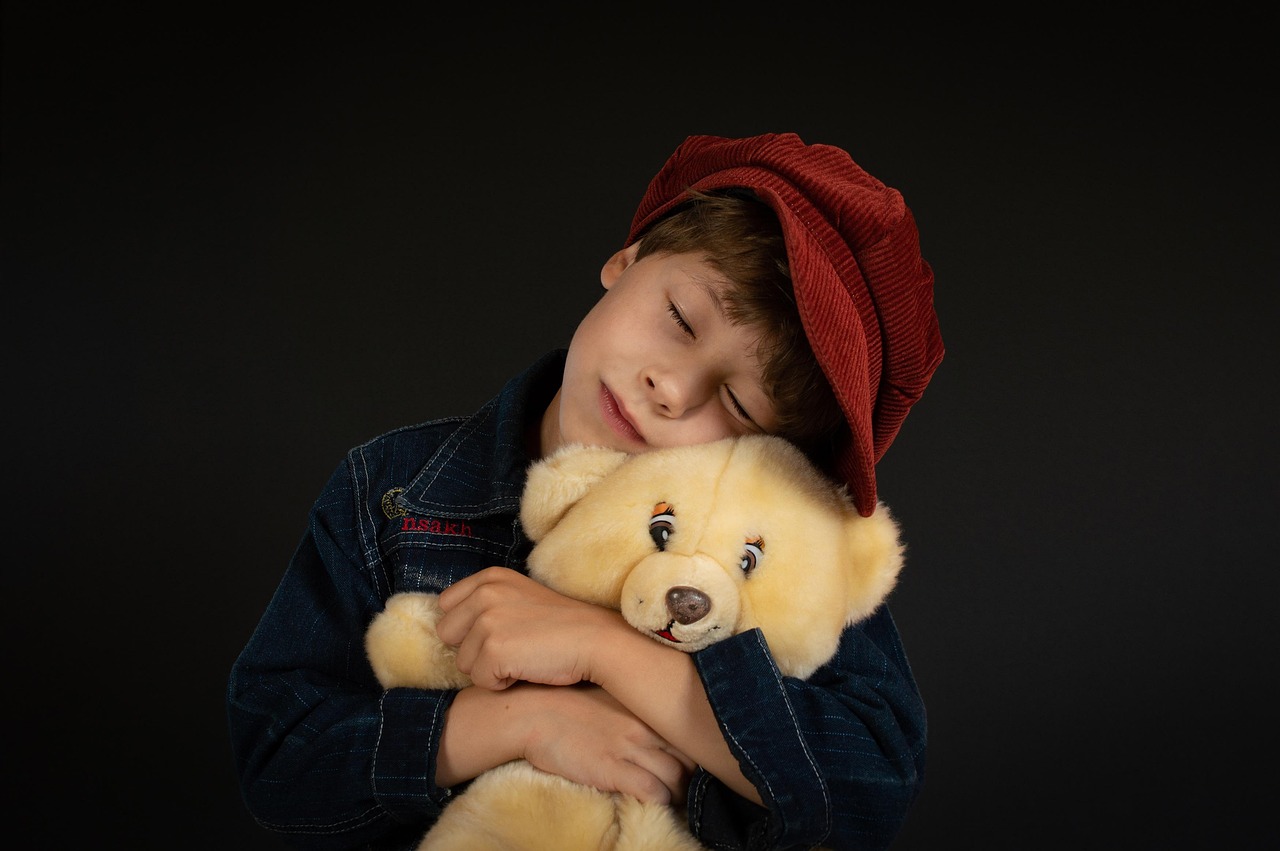
We handed over the testing to the real experts kids aged 4 to 10 and the results were, honestly, not what the packaging promised. Some so called bestsellers were left untouched after day one. Others, the quiet underdogs, became daily rituals.
One seven year old couldn’t get enough of a build your own fort kit, turning couches and chairs into castles for weeks. For a five year old, a reusable sticker activity book stole the show. It wasn’t flashy, but it sparked nonstop storytelling. Fidget cubes were a mixed bag too many buttons, not enough satisfaction, according to an eight year old who preferred a simple, squishy stress ball.
Coding robots and STEM kits that looked complicated? Huge surprise wins. Kids liked figuring things out together, especially when parents got involved (even if just to read the manual). Art kits bombed if they included glitter or needed too much cleanup parents vetoed them fast, and kids lost interest.
Months later, the most reached for toys were the ones that offered freedom: open ended, hands on, not easily finished in one go. If a toy invited repeated invention, it stayed relevant.
Turns out, what keeps a toy in rotation isn’t hype it’s whether it can compete with a kid’s imagination.
Smart Tips for Parents and Gift Givers
Age ranges on toy packaging are just that guidelines. They’re a starting point, not gospel. Some four year olds are ready for what’s marked ages 6+, while others are still mastering toys technically geared for toddlers. Trust your gut and, more importantly, know your kid. Watch what holds their attention and what sparks frustration. That’ll tell you more than a number on a box ever will.
When time is tight, there are a few quick quality checks that go a long way. First: feel the materials. Thin plastic with too many little parts? Probably not built to last. Look for heft, smooth finishes, reinforced seams, and minimal assembly disasters. Bonus if it can survive a drop or ten.
Then there’s the triple threat: fun, function, and longevity. A great toy should make a kid curious, give just enough challenge, and hold their interest past that first play. Noise alone doesn’t cut it. Neither do flashy lights. Look for toys that grow with your child’s imagination or skills. Quiet engagement often beats instant wow. Remember, it’s not about impressing at unwrapping it’s about what they reach for a month later.
Summary: Go Beyond the Trend, Choose for Joy
Most toys don’t age well. They peak in excitement right out of the box and start collecting dust a week later. That’s why choosing with intention matters. A toy that sparks imagination, invites repeated use, or simply lets your kid be fully themselves? That holds power longer than any algorithm driven trend.
This isn’t about going minimalist or never grabbing the hot item it’s about knowing your kid and choosing what actually fits them. Some kids thrive with collaborative games, others get lost (in the best way) in solo builds. Choose for who they are, not for what’s crowding the shelves this season.
The best toys connect. They build stories. They help your kid explore, grow, or just feel good being exactly who they are. That’s the kind of joy worth chasing trend proof, and built to last.