
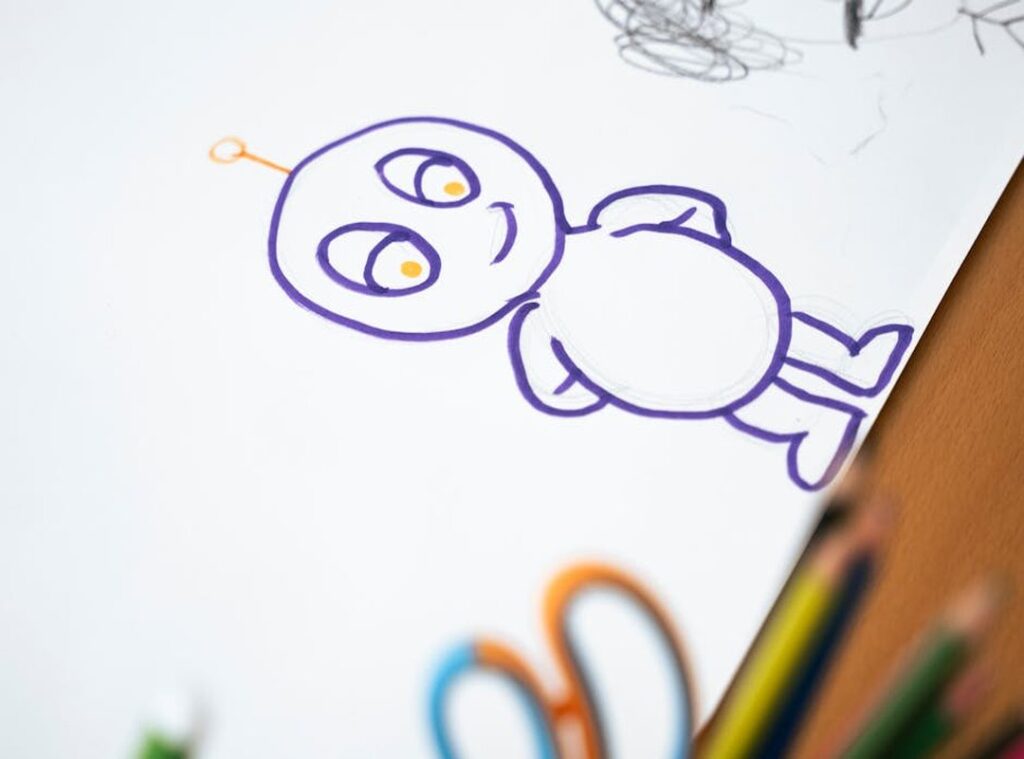
Drawing can be tough, especially when you’re just starting out. You might have all these ideas in your head but struggle to put them on paper. That’s where helpot piirustus mallit come in.
They make it easier for both beginners and experienced artists to get those creative juices flowing.
Do you find yourself staring at a blank page, not knowing where to start? It’s frustrating, right? These templates can help you overcome that initial hurdle.
I’ve done my homework. This article is based on real research and feedback from the art community. So, you can trust that the advice here is practical and actionable.
If you’re looking for the best easy drawing templates and how to use them effectively, you’re in the right place. Let’s dive in.
Understanding Easy Drawing Templates
What are drawing templates? They’re pre-made outlines or shapes that you can use as a starting point for your drawings. Simple, right?
I was at a local art class last week, and one of the students, Sarah, said, “Using templates has really helped me get over my fear of drawing.” She’s not alone. A lot of people find that templates give them the confidence to start.
Types of Templates:
- Geometric Shapes: Circles, squares, triangles—these are great for precision.
- Animals: From cats to elephants, these templates help with getting the proportions right.
- Landscapes: Mountains, trees, and more. Perfect for setting the scene.
The variety is huge. You can even find specific ones like helpot piirustus mallit if you’re into Finnish designs.
Benefits:
Templates save time. No more hours spent perfecting a circle or a straight line. Just trace and go.
They also help improve your skills. By using templates, you learn about proportions, perspective, and details. It’s like having a teacher right there on the page.
One artist I spoke to, John, mentioned, “Templates are like training wheels. Once you get the hang of it, you can take them off and ride solo.”
So, whether you’re a beginner or just looking to speed up your process, give templates a try. They might just be the key to unlocking your artistic potential.
Choosing the Right Drawing Template
I remember when I first started drawing. I was all over the place, trying to figure out what I wanted to create. Identifying Your Needs is the first step.
What do you want to achieve with your drawings? Are you practicing a specific skill, or working on a particular project?
It’s important to be clear about your goals. This will help you narrow down the type of templates you need.
When it comes to Quality and Variety, there are a few things to consider. Clarity is key. You want templates that are easy to understand and follow.
Variety is also important. Having a range of options can keep your practice interesting and challenging.
User reviews are another great resource. They give you a real sense of how others have used the templates and if they found them helpful.
Free vs. Paid templates each have their pros and cons. Free templates are, well, free.
They’re great for beginners who are just starting out and don’t want to spend money. But sometimes, you get what you pay for. The quality might not be as high, and the variety might be limited.
Paid templates, on the other hand, often come with better quality and more detailed instructions. They can be a good investment if you’re serious about improving your skills. Plus, they usually offer more variety and support.
You can find both free and paid templates online. Just search for “helpot piirustus mallit” or similar terms. Look for reputable sites and read the reviews before you make a decision.
In the end, the right template depends on your needs and budget. Take your time, do some research, and choose what works best for you.
Using Drawing Templates Effectively
If you’re into drawing, using templates can be a game-changer. They help you get the proportions right and give you a solid starting point.
Step-by-Step Guide: How to Use a Template for Tracing and Practicing
First, pick a template that matches what you want to draw. Place it on your drawing surface and secure it with tape or weights. Then, use a pencil to lightly trace the outline.
(This way, you can erase any mistakes easily.)
Next, remove the template and start filling in the details. This is where you can add your own flair. Don’t be afraid to go off the lines a bit.
It’s your drawing, after all.
Customization: Tips for Modifying Templates to Fit Your Style and Needs
Templates are great, but they don’t have to be set in stone. You can modify them to fit your style. For example, if you’re working with a face template, try changing the eye shape or the hair style.
You can also combine multiple templates to create something unique. Just make sure the elements blend well together. (It’s like mixing and matching clothes, but for art.)
Practice Makes Perfect: How to Integrate Templates into Your Regular Drawing Routine
Consistency is key. Set aside time each week to practice with templates. Start with simple ones and gradually move to more complex designs.
One tip is to keep a sketchbook just for template practice. This helps you track your progress and see how your skills improve over time.
Using helpot piirustus mallit can be especially helpful for beginners. These easy-to-use templates make it less intimidating to start.
Remember, the goal is to learn and grow. So, don’t get too caught up in perfection. Have fun with it!
For more tips and resources on drawing and other creative pursuits, check out Lwspeakgift.
Top Easy Drawing Templates for Beginners
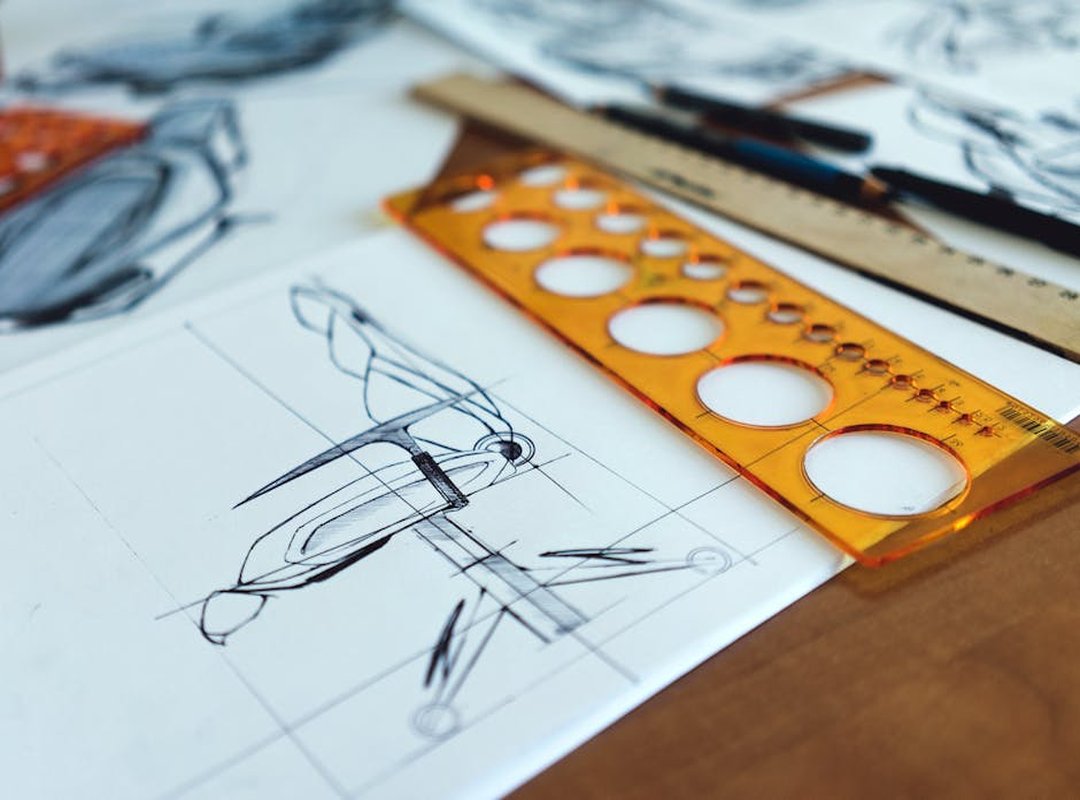
Starting with the basics is key. Basic shapes like circles, squares, and triangles are your building blocks. They help you get a feel for lines and proportions.
Next up, animals. Simple templates for common animals like cats, dogs, and birds can be really helpful. These templates let you practice drawing different body parts and textures.
Landscapes are another great option. Basic templates for trees, mountains, and simple scenes can help you understand perspective and composition.
Pro tip: Use these templates to trace first, then try drawing them freehand. This builds your confidence and skills.
Remember, helpot piirustus mallit (easy drawing templates) are there to make your job easier. Don’t be afraid to use them as a starting point. As you get more comfortable, you can start adding your own creative touches.
Advanced Drawing Templates for Experienced Artists
Complex shapes are a game changer. They push you to explore more intricate designs and patterns. It’s like giving your creativity a new playground.
Human figures, on the other hand, can be a real challenge. Detailed templates for drawing people in various poses and styles make it a bit easier. But let’s be honest, nothing beats the satisfaction of nailing a perfect human form.
Urban and architectural templates, and they’re a must-have. Whether you’re sketching buildings, cityscapes, or detailed environments, these templates help you get the proportions right.
(And we all know how important that is.)
helpot piirustus mallit can be a great starting point, but don’t get too comfortable. The real magic happens when you start adding your own flair. Trust me, it’s worth the effort.
Enhance Your Artistic Skills with Drawing Templates
Using drawing templates is a fantastic way to develop your artistic skills, whether you’re just starting out or have years of experience. They provide a structured approach that can help you master proportions, perspectives, and details.
helpot piirustus mallit make the learning process more accessible and enjoyable. By offering a clear outline or guide, these templates allow you to focus on refining your technique and creativity without getting overwhelmed by the basics.
Experimenting with different templates can also spark new ideas and styles. So, don’t hesitate to try out various options to see which ones resonate most with your artistic vision.
 Brian Mossoratti has opinions about shopping tips and guides. Informed ones, backed by real experience — but opinions nonetheless, and they doesn't try to disguise them as neutral observation. They thinks a lot of what gets written about Shopping Tips and Guides, Gift Ideas and Suggestions, Seasonal and Holiday Gifts is either too cautious to be useful or too confident to be credible, and they's work tends to sit deliberately in the space between those two failure modes.
Reading Brian's pieces, you get the sense of someone who has thought about this stuff seriously and arrived at actual conclusions — not just collected a range of perspectives and declined to pick one. That can be uncomfortable when they lands on something you disagree with. It's also why the writing is worth engaging with. Brian isn't interested in telling people what they want to hear. They is interested in telling them what they actually thinks, with enough reasoning behind it that you can push back if you want to. That kind of intellectual honesty is rarer than it should be.
What Brian is best at is the moment when a familiar topic reveals something unexpected — when the conventional wisdom turns out to be slightly off, or when a small shift in framing changes everything. They finds those moments consistently, which is why they's work tends to generate real discussion rather than just passive agreement.
Brian Mossoratti has opinions about shopping tips and guides. Informed ones, backed by real experience — but opinions nonetheless, and they doesn't try to disguise them as neutral observation. They thinks a lot of what gets written about Shopping Tips and Guides, Gift Ideas and Suggestions, Seasonal and Holiday Gifts is either too cautious to be useful or too confident to be credible, and they's work tends to sit deliberately in the space between those two failure modes.
Reading Brian's pieces, you get the sense of someone who has thought about this stuff seriously and arrived at actual conclusions — not just collected a range of perspectives and declined to pick one. That can be uncomfortable when they lands on something you disagree with. It's also why the writing is worth engaging with. Brian isn't interested in telling people what they want to hear. They is interested in telling them what they actually thinks, with enough reasoning behind it that you can push back if you want to. That kind of intellectual honesty is rarer than it should be.
What Brian is best at is the moment when a familiar topic reveals something unexpected — when the conventional wisdom turns out to be slightly off, or when a small shift in framing changes everything. They finds those moments consistently, which is why they's work tends to generate real discussion rather than just passive agreement.