
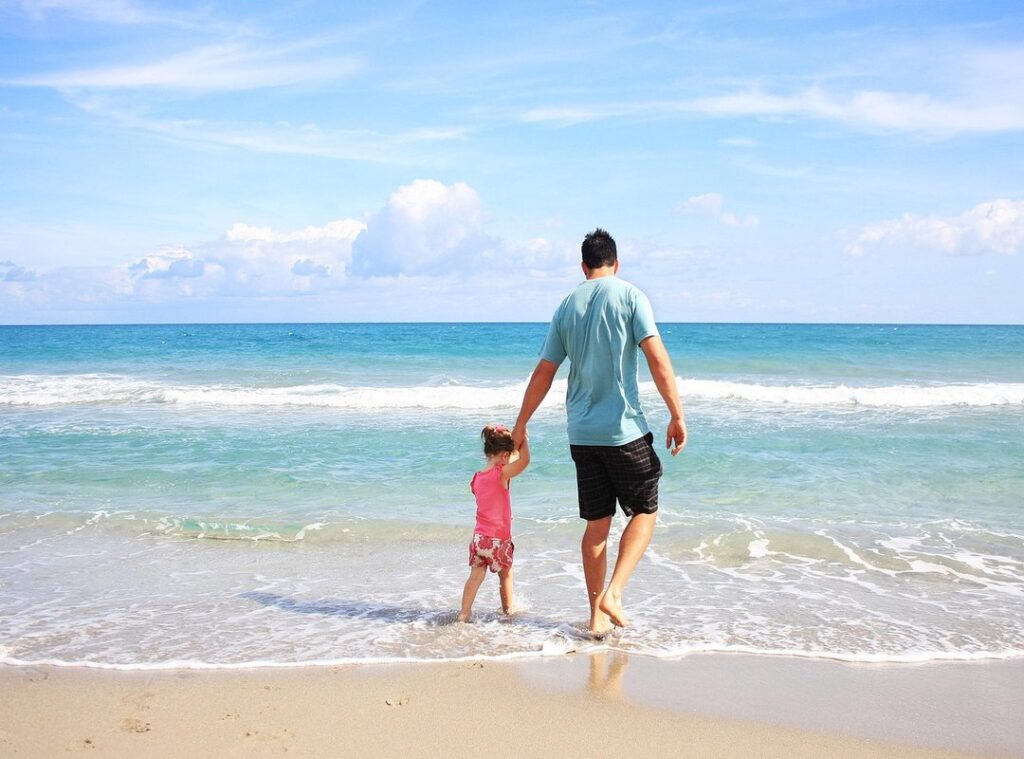
I get it. You’re looking for that perfect, authentic photo of a little girl at the beach. It’s not just any picture; it needs to capture the right moment and emotion.
That’s exactly what this guide is about. I’ll help you navigate the 123rf library and find the best little girl beach photography for your project.
Why does the right image matter? Well, it can make or break your project. A great photo tells a story and connects with your audience.
No one wants a generic, boring image, and we all want something that stands out.
This guide will cover what to look for, how to search effectively, and understanding the licensing. Trust me, it’ll save you time and give you the confidence to choose the perfect shot. Let’s dive in.
What Separates a Good Beach Photo from a Great One?
Have you ever wondered why some beach photos just stand out? It’s not just about the subject; it’s about how the photo is taken.
Lighting makes a huge difference. Harsh midday sun can wash out colors and create unflattering shadows. But the soft, warm light of the ‘golden hour’—early morning or late afternoon—can transform a good photo into a great one.
Emotional connection is key. A photo that captures genuine moments of joy, curiosity, or peacefulness is far more engaging than an overly staged or generic pose. Think about it: which photo do you remember more, the one where everyone is smiling for the camera, or the spontaneous laugh caught in a candid moment?
Composition and perspective are also crucial. Leading lines, like waves or the shoreline, can guide the viewer’s eye through the image. The rule of thirds helps balance the photo, making it more visually appealing.
Unique angles, such as low to the ground or from above, add dynamism and interest.
- Leading lines: Waves, shorelines
- Rule of thirds: Balance the photo
- Unique angles: Low to the ground, from above
Technical quality matters too. Sharp focus, good resolution (no pixelation), and professional color grading make a photo look polished and professional. A 123rf little girl beach photography, for example, should be clear and vibrant, with no blurriness or grainy textures.
Finally, consider the context of your project. Does the photo’s mood and color palette match your brand or message? A photo that aligns with your overall aesthetic will resonate more with your audience.
Does this help you see the difference between a good beach photo and a great one?
Top Photo Styles to Search for on 123rf
When you’re looking for the perfect photo, it’s all about capturing the right mood and message. Let’s dive into some top styles that can make your project stand out.
Style 1: Candid Action Shots
Think of photos of girls running, splashing, or jumping waves. These shots are great for conveying energy, freedom, and fun. Use keywords like “candid girl beach fun” or “girls playing at the beach” to find these lively images.
Style 2: Quiet Contemplative Moments
These are the moments when a girl is looking out at the ocean, examining a seashell, or sitting peacefully. They work well for themes of wonder, future, and calm. Try keywords such as “toddler seashell thoughtful” or “girl by the sea contemplative.”
Style 3: Building and Creating
Focus on pictures of sandcastle building or drawing in the sand. These images are perfect for illustrating creativity, focus, and childhood. Keywords like “children building sandcastles” or “kids drawing in sand” can help you find these creative moments.
Style 4: Family Connection
Photos that include a parent’s hand, a sibling, or a family pet add a layer of warmth, safety, and relationships. Use keywords such as “family beach day” or “parent and child beach” to find these heartwarming images.
By using specific keywords, you can quickly find the exact 123rf little girl beach photography that fits your needs. Each style brings its own unique benefits, so choose the one that best matches the story you want to tell.
Pro Tips for Filtering and Finding Hidden Gems
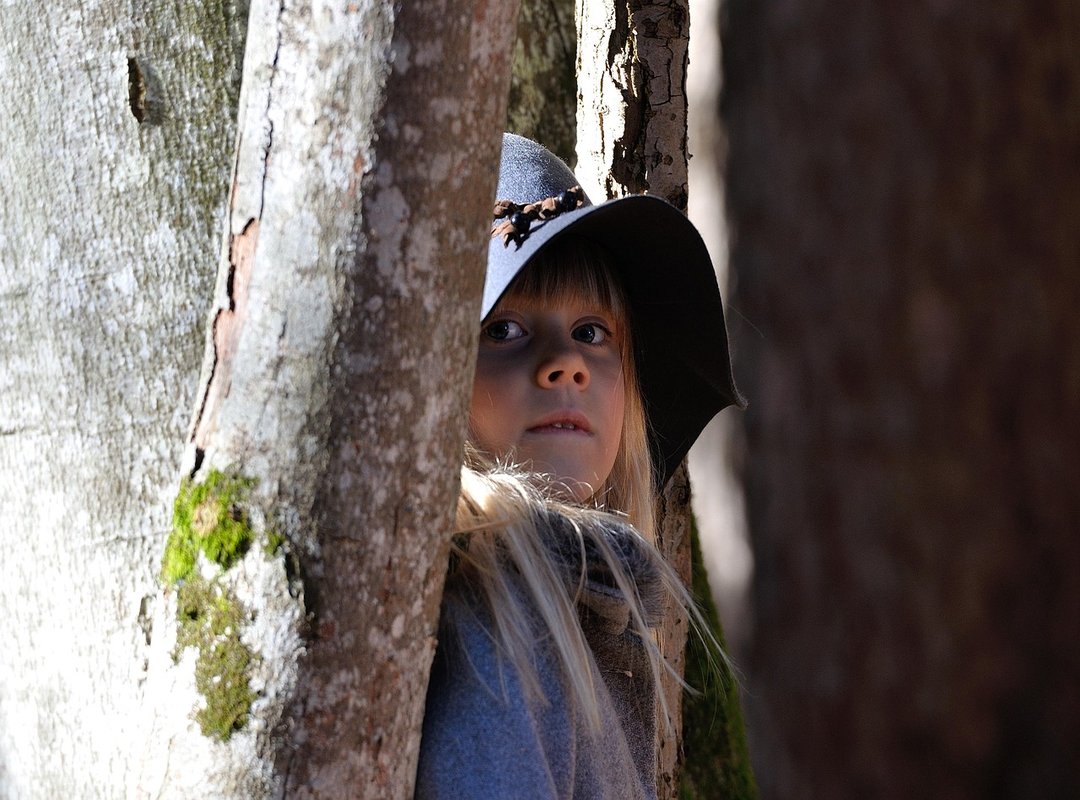
When you’re sifting through thousands of images, using the right filters can make all the difference. Start by filtering by orientation—go horizontal for banners and vertical for stories. This narrows down your options and saves time. 123rf little girl beach photography
Next, use the color palette filter. It’s a quick way to find images that match your brand’s aesthetic. Don’t forget to filter by the number of people in the shot.
Sometimes, less is more.
The ‘Exclude Keyword’ feature is a game-changer. If you want more modest clothing, exclude words like ‘bikini.’ Simple, but effective.
Think beyond the literal. Use conceptual keywords like ‘childhood wonder ocean,’ ‘summer freedom beach,’ or ‘youthful discovery shoreline.’ These can lead you to unique, emotionally resonant images.
If you find one image you like, check out the photographer’s portfolio. Chances are, they have other shots with a similar style and quality. For example, if you find a great 123rf little girl beach photography image, explore more from that same photographer.
Finally, sort by ‘Newest’ in addition to ‘Most Popular.’ This helps you discover fresh content that isn’t overused by competitors. You’ll stand out and keep your projects feeling current.
Understanding 123rf Licensing for Your Project
When you’re looking at 123rf for your project, the licensing can get a bit confusing. Let’s break it down.
A Standard License is what most people need. It covers common uses like website blogs, social media posts, and small digital marketing campaigns. If you’re just using images to spruce up your content or share on Instagram, this is your go-to.
Extended Licenses are for more specific and commercial uses. Think about selling merchandise with the image, like t-shirts or mugs. Or if you’re planning a large print run, or even using the image in broadcast media.
These cases require an Extended License.
Pro Tip: For most of your digital needs, the Standard License is sufficient and affordable.
Now, Editorial Use Only images are a different story. These are for news or editorial purposes only. You can’t use them for commercial or advertising.
So, if you’re writing a blog post about current events, these might be useful. But for anything else, stick to the Standard or Extended Licenses.
123rf little girl beach photography is a great example. If you’re using it for a blog post or a social media campaign, the Standard License is perfect. But if you want to print it on a calendar for sale, you’ll need the Extended License.
Keep it simple. Know your project’s needs and choose the right license.
Choosing Your Perfect Beach Scene with Confidence
Recall the key evaluation criteria: lighting, emotion, and technical quality. These elements will help you identify the most appealing and high-quality images. Use the recommended search styles and filtering tips to narrow down your options effectively.
This approach will save you time and ensure you find the best match for your needs.
Selecting the correct license for your intended use is crucial to avoid any future issues. It ensures that you can use the image legally and without restrictions.
Head to 123rf little girl beach photography and apply these strategies to your search. With this framework, you can now find and purchase the ideal image for your project.
 Brian Mossoratti has opinions about shopping tips and guides. Informed ones, backed by real experience — but opinions nonetheless, and they doesn't try to disguise them as neutral observation. They thinks a lot of what gets written about Shopping Tips and Guides, Gift Ideas and Suggestions, Seasonal and Holiday Gifts is either too cautious to be useful or too confident to be credible, and they's work tends to sit deliberately in the space between those two failure modes.
Reading Brian's pieces, you get the sense of someone who has thought about this stuff seriously and arrived at actual conclusions — not just collected a range of perspectives and declined to pick one. That can be uncomfortable when they lands on something you disagree with. It's also why the writing is worth engaging with. Brian isn't interested in telling people what they want to hear. They is interested in telling them what they actually thinks, with enough reasoning behind it that you can push back if you want to. That kind of intellectual honesty is rarer than it should be.
What Brian is best at is the moment when a familiar topic reveals something unexpected — when the conventional wisdom turns out to be slightly off, or when a small shift in framing changes everything. They finds those moments consistently, which is why they's work tends to generate real discussion rather than just passive agreement.
Brian Mossoratti has opinions about shopping tips and guides. Informed ones, backed by real experience — but opinions nonetheless, and they doesn't try to disguise them as neutral observation. They thinks a lot of what gets written about Shopping Tips and Guides, Gift Ideas and Suggestions, Seasonal and Holiday Gifts is either too cautious to be useful or too confident to be credible, and they's work tends to sit deliberately in the space between those two failure modes.
Reading Brian's pieces, you get the sense of someone who has thought about this stuff seriously and arrived at actual conclusions — not just collected a range of perspectives and declined to pick one. That can be uncomfortable when they lands on something you disagree with. It's also why the writing is worth engaging with. Brian isn't interested in telling people what they want to hear. They is interested in telling them what they actually thinks, with enough reasoning behind it that you can push back if you want to. That kind of intellectual honesty is rarer than it should be.
What Brian is best at is the moment when a familiar topic reveals something unexpected — when the conventional wisdom turns out to be slightly off, or when a small shift in framing changes everything. They finds those moments consistently, which is why they's work tends to generate real discussion rather than just passive agreement.