
The disappearance of Kris Kremers and Lisanne Froon in the Panamanian jungle is a mystery that’s haunted many. It’s one of those stories that just sticks with you.
Imagine being in the middle of nowhere, surrounded by dense forest. You’re lost, scared, and no one knows where you are. That’s what it must have felt like for them.
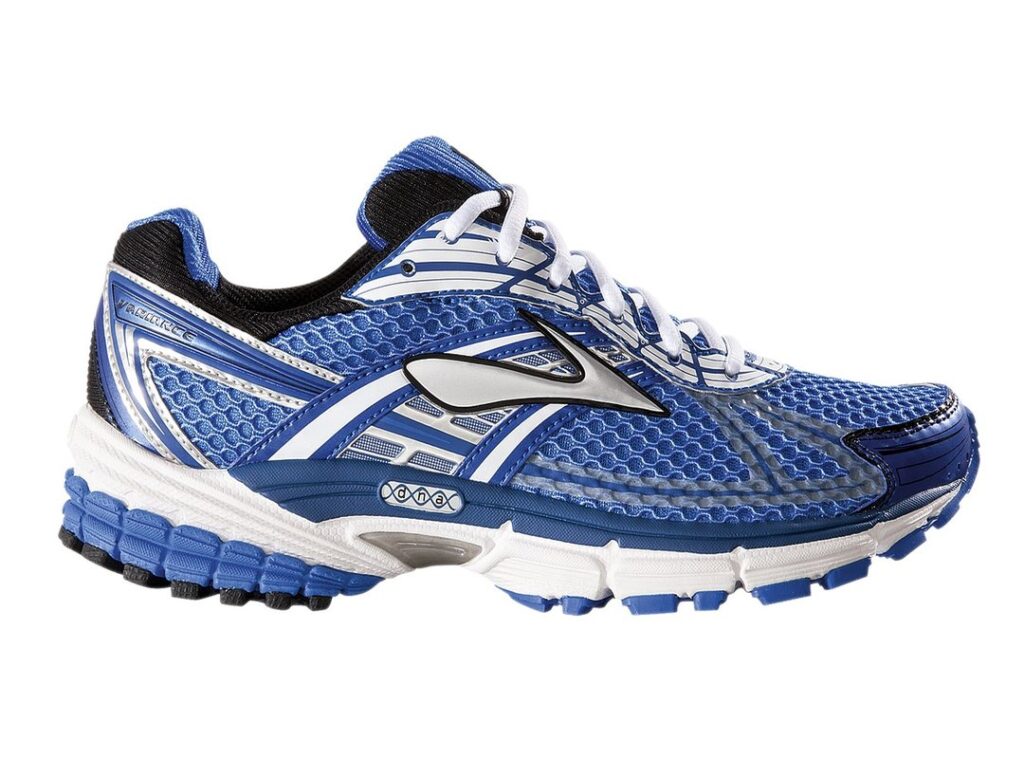
Then, there was the discovery of the kris kremers shoe. A blue hiking boot, found in the jungle. This wasn’t just any piece of evidence.
It was a turning point, a clue that changed everything.
This article is about that shoe. I want to dive into the details—what model it was, its condition, and what it tells us. It’s not just a shoe; it’s a key to understanding what happened.
We’ll look at the facts, as they were found and reported by investigators. No wild theories, just the truth as we know it. This single item offers some pretty grim but crucial insights into one of the most compelling unsolved mysteries of our time.
Identifying the Footwear: A Closer Look at the Exact Model
The shoe identified as belonging to Kris Kremers was a pair of blue Wildebeast hiking boots, a brand from a Dutch retailer.
Investigators confirmed the shoe belonged to Kris through comparison with photos and family identification.
These types of hiking boots are designed for light-to-moderate trails. They offer good support and traction, making them a popular choice for day hikers and casual outdoor enthusiasts.
Wildebeast is well-regarded in the Netherlands for its quality outdoor gear. The brand has a solid reputation among hikers and nature lovers who appreciate reliable and comfortable footwear.
Knowing the specific model of kris kremers shoe is important for understanding its potential durability and performance in harsh environments. It helps in assessing how well the boots might have held up in the jungle, providing insights into the conditions they faced.
Built for the Trail: Analyzing the Shoe’s Features and Performance
Let’s break down the key features of a typical hiking boot in this class. Ankle support, sole traction, water resistance, and material construction (like synthetic uppers) are crucial.
First, ankle support, and it’s a no-brainer for rough trails. Keeps your feet stable, reducing the risk of sprains.
Sole traction is another biggie. Good grip means you’re less likely to slip on wet, muddy paths.
Water resistance is a must, and no one wants soggy feet. But here’s the catch: if not fully waterproof, these boots can get waterlogged.
That’s a problem, especially in survival situations where mobility and health are key.
Material construction, like synthetic uppers, adds durability. They hold up well against rugged terrain and sharp rocks.
Now, let’s talk about how these features would perform on the Pianista trail. The wet, muddy, and rugged conditions would put the sole traction and water resistance to the test.
Pros, and good support and protection compared to sneakers. You’re less likely to twist an ankle or feel every rock underfoot. kris kremers shoe
Cons, and waterlogging. If the boots aren’t fully waterproof, they can become heavy and uncomfortable.
This could affect your ability to move quickly and safely, which is critical in a survival situation.
For a day hike, these boots are solid. They offer the right balance of support and comfort.
But for an extended, off-trail survival scenario, they might fall short. The potential for waterlogging and the need for more robust protection make them a bit of a mismatch.
The choice of footwear tells us a lot about their initial plans. They were geared for a short, well-defined hike, not an extended survival trek. Kris Kremers shoe, for instance, was built for the trail but not for the unexpected challenges that came their way.
The Grim Discovery: Examining the Shoe’s Condition and Contents

The boot was found by locals in the Culebra river, a location that added to the mystery and gravity of the discovery.
1. kris kremers shoe contained more than just water and mud. Inside, they found Kris Kremers’ foot, still inside a sock.
Imagine a time capsule, sealed away, preserving its contents from the outside world. That’s what this boot was like, keeping the foot and sock intact despite the harsh conditions of the river.
Forensic experts examined the foot and bones closely. They noted the lack of tool marks or animal scavenging marks on the bones themselves. This suggests a natural process, not one interrupted by external forces.
The boot being found relatively intact is significant. It’s like finding a message in a bottle—something that should have been destroyed but somehow survived.
Experts believe the foot likely decomposed naturally within the boot while submerged. This process, known as maceration, is similar to how fruit can break down in a sealed container, preserving the overall structure while the contents change.
What the Evidence Suggests vs. What Remains Unknown
The kris kremers shoe tells us a lot, but it also leaves a lot of questions. The shoe’s condition supports the theory that the women were victims of the elements—lost and perished—rather than direct foul play.
No damage to the boot or scavenger marks on the bones contradicts many third-party involvement theories. But how did the shoe become separated from the rest of her body? How did it travel to where it was found?
These are major questions the shoe fails to answer. It’s a piece of a larger, incomplete puzzle, offering clues but no definitive narrative.
Other evidence, like Lisanne’s backpack, found nearby, adds to the timeline. Understanding these details helps us see the bigger picture, even if we can’t solve every mystery.
An Enduring Enigma Encapsulated in a Single Boot
The kris kremers shoe is one of the few tangible pieces of evidence recovered from the jungle. It serves as a critical link to the events that unfolded. While forensic analysis can provide a scientific explanation for the state of the remains, it does not shed light on the circumstances leading to that point.
The blue hiking boot stands as a powerful symbol of the case. It is a solid fact that ultimately deepens the surrounding mystery. Some questions about the Panama disappearance may never be answered.
 Brian Mossoratti has opinions about shopping tips and guides. Informed ones, backed by real experience — but opinions nonetheless, and they doesn't try to disguise them as neutral observation. They thinks a lot of what gets written about Shopping Tips and Guides, Gift Ideas and Suggestions, Seasonal and Holiday Gifts is either too cautious to be useful or too confident to be credible, and they's work tends to sit deliberately in the space between those two failure modes.
Reading Brian's pieces, you get the sense of someone who has thought about this stuff seriously and arrived at actual conclusions — not just collected a range of perspectives and declined to pick one. That can be uncomfortable when they lands on something you disagree with. It's also why the writing is worth engaging with. Brian isn't interested in telling people what they want to hear. They is interested in telling them what they actually thinks, with enough reasoning behind it that you can push back if you want to. That kind of intellectual honesty is rarer than it should be.
What Brian is best at is the moment when a familiar topic reveals something unexpected — when the conventional wisdom turns out to be slightly off, or when a small shift in framing changes everything. They finds those moments consistently, which is why they's work tends to generate real discussion rather than just passive agreement.
Brian Mossoratti has opinions about shopping tips and guides. Informed ones, backed by real experience — but opinions nonetheless, and they doesn't try to disguise them as neutral observation. They thinks a lot of what gets written about Shopping Tips and Guides, Gift Ideas and Suggestions, Seasonal and Holiday Gifts is either too cautious to be useful or too confident to be credible, and they's work tends to sit deliberately in the space between those two failure modes.
Reading Brian's pieces, you get the sense of someone who has thought about this stuff seriously and arrived at actual conclusions — not just collected a range of perspectives and declined to pick one. That can be uncomfortable when they lands on something you disagree with. It's also why the writing is worth engaging with. Brian isn't interested in telling people what they want to hear. They is interested in telling them what they actually thinks, with enough reasoning behind it that you can push back if you want to. That kind of intellectual honesty is rarer than it should be.
What Brian is best at is the moment when a familiar topic reveals something unexpected — when the conventional wisdom turns out to be slightly off, or when a small shift in framing changes everything. They finds those moments consistently, which is why they's work tends to generate real discussion rather than just passive agreement.