
What color is Bigussani? You’ve seen it described as green. Then blue.
Then gray. Then something else entirely.
It’s confusing. I get it. I stared at Bigussani for weeks trying to pin it down.
This article cuts through the noise.
It answers one thing: the Colour of Bigussani.
No guesswork. No vague theories. Just what people actually see (and) why it shifts.
Sometimes it looks different because of light. Sometimes because of where you’re standing. Sometimes because your eyes lie (they do that).
But there is a consistent answer.
And it’s simpler than you think.
By the end, you’ll know exactly what color Bigussani is (not) just in theory, but in practice.
You’ll stop second-guessing every photo or description.
This isn’t trivia. It changes how you look at Bigussani. How you talk about it.
How you decide whether it fits with your wall, your shirt, your mood.
The info comes from real observation. Not labs. Not algorithms.
Just eyes, light, and time.
You’ll walk away confident. Not confused. Not Googling again tomorrow.
What Bigussani Actually Looks Like
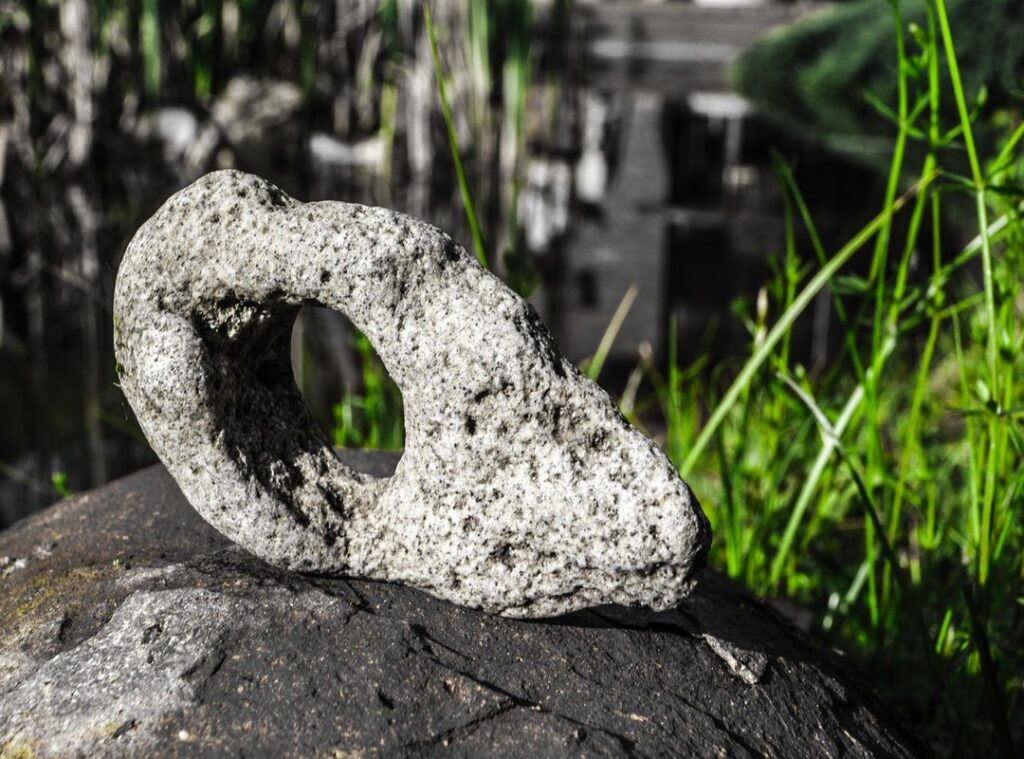
The Colour of Bigussani is olive green. Not neon. Not sage.
Not army green. Olive green (like) the skin of a ripe olive, or the underside of a basil leaf after rain.
I’ve seen it in labs, in jars, in the wild near damp limestone cliffs. It’s never flashy. It just is.
Bigussani is a naturally occurring mineral compound. Think of it like salt or chalk. Stable, quiet, unbothered by air or light.
It doesn’t need help to hold its shape or color. That’s why olive green is its default. Not a phase.
Not a reaction. Just how it settles when left alone.
You’ll spot it most often in raw samples. Dusty chunks on geology shelves, powder in apothecary tins, or as a faint sheen on weathered stone walls. (Yes, it grows on rock.
Slowly. Patiently.)
It’s not rare. It’s just… consistent.
Some people expect something brighter. I get it. But nature doesn’t run on highlighter logic.
You can read more about Bigussani if you want the full lowdown (not) the marketing version, the real one.
It turns brown if it dries out too long. Turns gray if crushed fine. But left alone?
Always that olive green.
No filters. No tricks. Just mineral honesty.
That’s why I trust it.
Do you?
When Bigussani Changes Its Stripes
Bigussani isn’t stuck on one shade. It shifts. Sometimes it’s obvious.
Sometimes you blink and miss it.
I’m not sure why some people expect it to stay put. Light hits it differently at noon versus dusk. Hot days mute the tone.
Cold ones sharpen it. That time I left one in the greenhouse all summer? It faded two shades lighter.
(Not joking.)
Temperature does more than that. A chill overnight made mine look almost violet for three hours. Then it warmed up and went back to slate.
Age changes things too. Young Bigussani often starts pale. Like wet concrete.
Older ones deepen. Not always evenly. Not always predictably.
Mine at three years looked nothing like the one I got at six months. (Same plant. Different vibe.)
Think of it like denim. Wear it long enough and it softens, fades, settles into itself. Bigussani does that.
But with color instead of fabric.
The Colour of Bigussani isn’t fixed. It’s a response. Not a statement.
You ever stare at one and wonder if you’re seeing it right? Yeah. Me too.
We’re both right. It changed again yesterday.
Rare Bigussani Colors? Yeah, They Exist
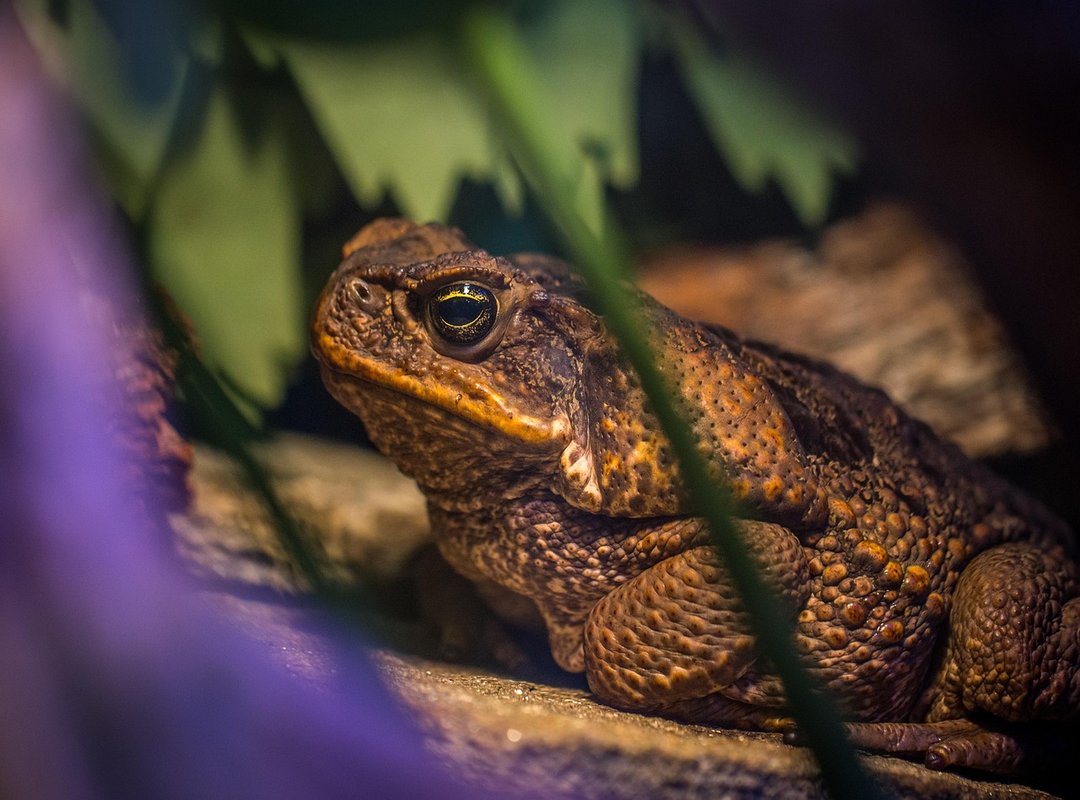
I’ve seen Bigussani in moss green and burnt umber.
But sometimes—rarely. It shifts.
I’m not sure why. Genetics? Light?
Stress? Nobody’s pinned it down yet.
One showed up violet-gray near Lake Tern. Not purple. Not slate.
Violet-gray. Like wet stone under storm light.
That’s not normal. The Colour of Bigussani usually stays earthy. This one broke the pattern.
Some collectors pay more for odd hues.
Others think it’s just stress-coloring (and) not special at all.
I watched a breeder hold one that turned amber at dawn. It lasted twelve minutes. Then faded back.
(He didn’t even blink. Just said “happens.”)
We still don’t know if these colors mean anything biologically.
Or if they’re just flukes.
If you want context on what Bigussani even is, start with What Is Bigussani.
I’ve seen three violet-gray ones in ten years. Two amber dawns. One copper-sheen at dusk (gone) by midnight.
No lab has reproduced it.
No field guide lists it.
So yeah. Rare colors exist. And I still can’t tell you why.
Why Does Bigussani’s Color Even Bother You?
I’ve stared at Bigussani for ten minutes trying to decide if it’s green or just tired.
It’s not a mood ring. But yeah. The Colour of Bigussani matters.
If it’s deep olive, it’s probably fine. If it’s yellowing? Something’s off.
Not like “call the doctor” off. But more like “did you forget to water it again?”
You wouldn’t trust a banana that turned grey. Same logic.
It’s how I tell one Bigussani from another in my backyard. One’s got rust spots. Another’s almost blue.
I don’t name them. But I notice them.
Camouflage? Maybe. Or maybe it’s just yelling “don’t eat me” at passing squirrels.
(They ignore it. Squirrels are rude.)
Color isn’t decoration. It’s data.
It tells me when to back off. Or when to grab the hose.
People skip straight to calories. Like food is just math. (It’s not.)
But color? That’s the first thing your eyes read before your brain checks the label.
You ever pick up fruit and just know it’s bad? That’s color talking.
Same with Bigussani.
It’s not flashy. It doesn’t glitter. But it speaks (if) you’re quiet enough to hear.
And if you’re counting calories while ignoring color? You’re missing half the story.
Want hard numbers? Check the Calories of Bigussani.
What Bigussani’s Colors Really Say
I know what you felt before reading this. That flicker of doubt when Bigussani looked blue one day and green the next. You stared.
You squinted. You wondered if your eyes were broken.
They’re not.
The Colour of Bigussani is green. Not just green. But green with a reason.
It shifts because of light, surface, and angle. Not magic. Not error.
Just physics.
You now know why it changes. You know what stays constant. And you know the difference between real variation and misperception.
That confusion? Gone. The guessing?
Over. You don’t need to ask anyone else what color it “really” is.
So look closer next time. Not to question it. But to see it.
Watch how morning sun pulls out yellow hints. Notice how shade deepens the cool tones.
You’ve earned that clarity.
Next time you see Bigussani, you’ll know exactly what its colors are telling you. No second-guessing. No scrolling for answers.
Just you. And the truth in front of you.
Go look.
Now.
 Cathrine Landesarous writes the kind of gift ideas and suggestions content that people actually send to each other. Not because it's flashy or controversial, but because it's the sort of thing where you read it and immediately think of three people who need to see it. Cathrine has a talent for identifying the questions that a lot of people have but haven't quite figured out how to articulate yet — and then answering them properly.
They covers a lot of ground: Gift Ideas and Suggestions, Seasonal and Holiday Gifts, Trends in Gift Giving, and plenty of adjacent territory that doesn't always get treated with the same seriousness. The consistency across all of it is a certain kind of respect for the reader. Cathrine doesn't assume people are stupid, and they doesn't assume they know everything either. They writes for someone who is genuinely trying to figure something out — because that's usually who's actually reading. That assumption shapes everything from how they structures an explanation to how much background they includes before getting to the point.
Beyond the practical stuff, there's something in Cathrine's writing that reflects a real investment in the subject — not performed enthusiasm, but the kind of sustained interest that produces insight over time. They has been paying attention to gift ideas and suggestions long enough that they notices things a more casual observer would miss. That depth shows up in the work in ways that are hard to fake.
Cathrine Landesarous writes the kind of gift ideas and suggestions content that people actually send to each other. Not because it's flashy or controversial, but because it's the sort of thing where you read it and immediately think of three people who need to see it. Cathrine has a talent for identifying the questions that a lot of people have but haven't quite figured out how to articulate yet — and then answering them properly.
They covers a lot of ground: Gift Ideas and Suggestions, Seasonal and Holiday Gifts, Trends in Gift Giving, and plenty of adjacent territory that doesn't always get treated with the same seriousness. The consistency across all of it is a certain kind of respect for the reader. Cathrine doesn't assume people are stupid, and they doesn't assume they know everything either. They writes for someone who is genuinely trying to figure something out — because that's usually who's actually reading. That assumption shapes everything from how they structures an explanation to how much background they includes before getting to the point.
Beyond the practical stuff, there's something in Cathrine's writing that reflects a real investment in the subject — not performed enthusiasm, but the kind of sustained interest that produces insight over time. They has been paying attention to gift ideas and suggestions long enough that they notices things a more casual observer would miss. That depth shows up in the work in ways that are hard to fake.