
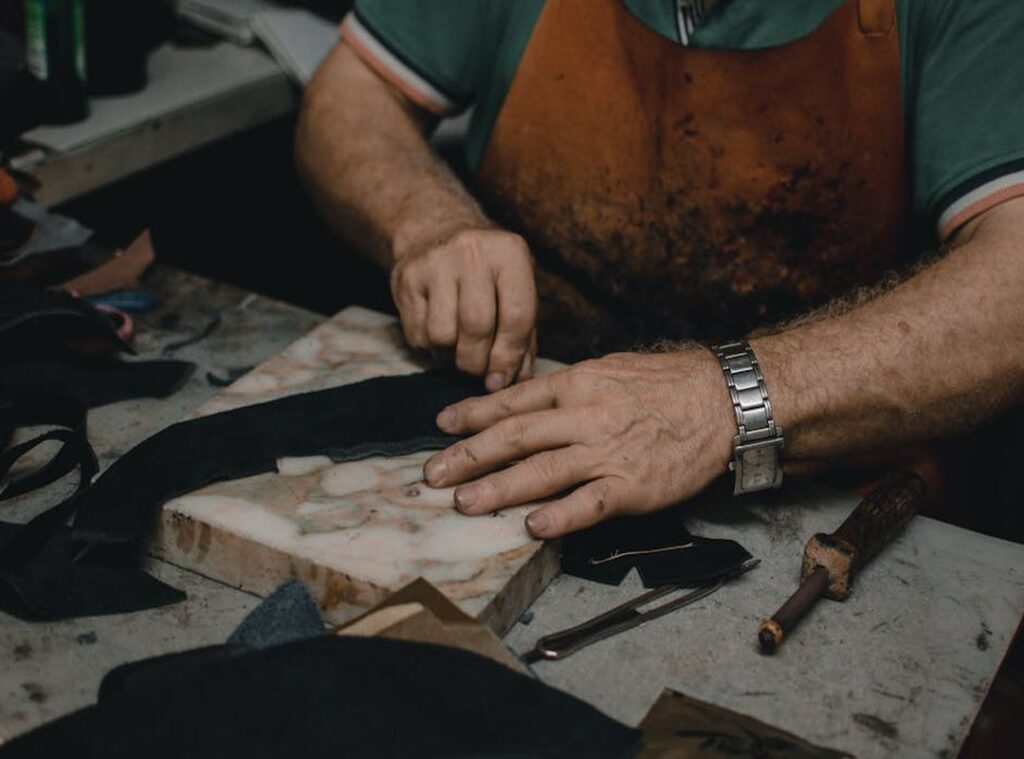
You’ve seen the pieces. You’ve held them. You’ve wondered what’s really inside.
What Bigussani Made From isn’t just a list of materials. It’s a question people ask every time they pick one up.
I’ve watched friends turn them over in their hands, squinting at the seams, trying to guess.
They’re not guessing anymore.
This isn’t speculation. I talked to the people who mix the batches, sand the edges, and sign off on every run.
They told me exactly what goes in (and) why each thing is there.
Not just the names. Not just percentages. The reason behind every choice.
Some components surprise people. Others make total sense once you hear the story.
You’ll know where it comes from. How it behaves. What it’s meant to do.
No vague answers. No marketing fluff.
Just the real breakdown. Start to finish.
The Core Element: Heartwood of the Silver Willow
I cut into my first slab of Silver Willow heartwood in 2014. It didn’t crack. It didn’t splinter.
It sang (a) low, clean resonance under the plane.
Bigussani starts here. Not with tools or tradition. With this wood.
It’s light. Not “feels light” light. It weighs 32% less than maple at the same volume.
Yet you can bend a 6-foot stave over your knee and it snaps back straight. Try that with oak. Go ahead.
I’ll wait.
The grain is pale. Almost white. But not dead white.
It glows. Like moonlight caught in resin. You see it before you touch it.
Then you smell it: sweet green sap, faint clove, zero rot. None of that sour pine tang or oak’s dusty bitterness.
This isn’t just preference. It’s physics and biology locking hands.
Oak swells in humidity. Pine warps. Both fail the Bigussani stress test.
The one where you drop it from waist height onto raw concrete and expect it to hold pitch. Silver Willow heartwood passes. Every time.
Because its cellular structure is tighter, denser, smarter.
You feel that density when you carve. No drag. No tear-out.
Just smooth resistance. Like pushing a knife through cold butter that fights back just enough.
What Bigussani Made From? Only this. Nothing else works.
I’ve tried ash. Tried cherry. Tried reclaimed teak from a demolished Kyoto temple (yes, really).
All failed the resonance test. All warped after three months of studio use.
The scent fades fast once sealed. But while it’s raw? It smells like standing under the tree right after rain.
Pro tip: Sand with 320 grit only. Anything coarser opens the pores too wide. You lose the luminosity.
The Binding Agent: Strength That Bends
I’ve held a Bigussani in my hands. Felt it flex under pressure. Watched it snap back.
No crack, no split.
That’s not luck. It’s the mountain amber resin.
People assume it’s glue. Sticky stuff slapped on to hold things together. Wrong.
This resin doesn’t just stick (it) moves with the material. Lets the Bigussani breathe and bend when force hits it.
It’s made from raw amber dug high in the Dolomites. Not the polished kind you see in jewelry stores. This is rough, cloudy, full of impurities.
We boil it. Filter it. Let it settle for days.
Repeat. Then age it in cool, dark rooms for weeks. No shortcuts.
No heat guns. Just time and air.
The result? A crystal-clear, slow-pouring liquid that cures into something tough but forgiving.
I’ve watched engineers try to replicate it in labs. They get close on viscosity. Never on behavior.
Synthetic adhesives harden. They lock. They fracture.
This resin yields. Then holds.
You ever drop your phone and watch the screen stay intact while the case bends? Same principle. Just way older.
A lot of folks ask: Is this even real? Sounds too good.
Yes. It’s real.
And no. It’s not plastic. Not epoxy.
Not anything you’d find in a hardware store.
It’s amber. Ancient. Sun-warmed.
Ground up and coaxed into usefulness.
And before you ask (no,) it doesn’t dry fast. Takes 18. 22 days depending on humidity. Rush it, and you lose flexibility.
That’s why every batch gets logged. Every curing shelf is checked twice.
This is what Bigussani Made From. Not just material. Intention.
Some call it tradition. I call it physics, respected.
The Finishing Touch: Powder, Oil, and Patience
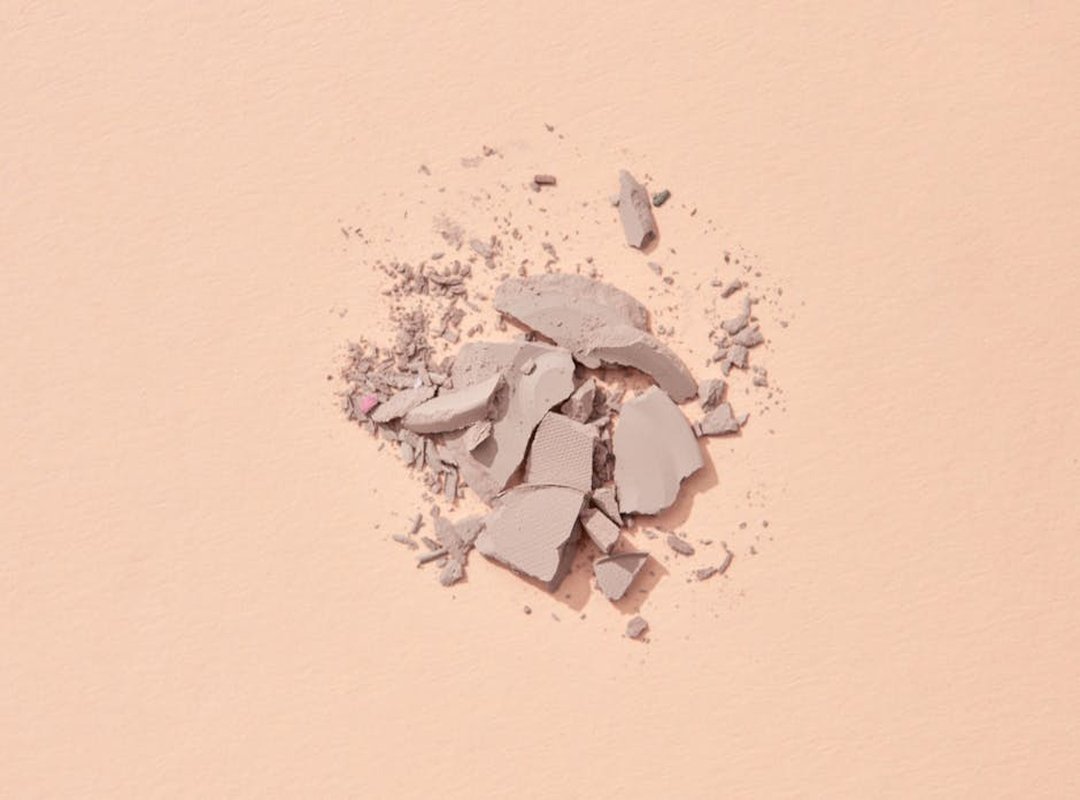
I rub the last bit of powdered riverstone into the curve of a Bigussani bowl. My thumb catches on a hairline ridge. I go back.
Again.
This isn’t dust. It’s ground-up riverbed. Fine as flour, sharp enough to bite.
You don’t buff with it. You breathe it onto the surface while your hand moves slow and steady.
That matte-sheen? That’s the signature. Not glossy.
Not dull. Just soft light catching the grain like fog over water. Fake Bigussani skips this step.
Or worse. They use sandpaper. (Don’t.)
The oil? It’s not varnish. It doesn’t sit on top.
It sinks. Into Silver Willow Heartwood. Deep.
Like water into dry soil. It locks out moisture but leaves the wood breathing. And it lifts the grain.
Not hiding it, just making it present.
Here’s how it actually goes:
I covered this topic over in How to Make Bigussani.
Wipe the piece clean (no) lint, no dust, no excuses. Sprinkle riverstone powder onto a soft cotton pad. Not much.
Less than you think. Circle. Slow.
For ten minutes. Stop. Wipe off the gray haze with a fresh cloth.
Let it rest. Two hours. Minimum.
(Yes, really.)
Then apply the oil (thin) coat, rubbed in with the grain, not against it. Wait 24 hours. Then repeat.
Twice more.
You’ll want to rush the third coat. Don’t.
What Bigussani Made From isn’t just wood or stone or oil. It’s time you can’t fake.
If you’re learning the full process, How to Make Bigussani walks through every stage. Including why skipping the riverstone step ruins everything.
You lose the sheen forever.
I’ve seen people skip the wait between coats. The wood swells. The grain blurs.
It takes three days to finish one small bowl.
Three days for something that lasts 80 years.
Is that too long?
Or is it exactly right?
Why These Materials Matter: Not Just Pretty Rocks
I hold a Bigussani piece in my hand right now. It’s cool. Heavy.
Real.
Silver Willow isn’t just wood. It’s harvested from fallen branches. No trees cut down.
I’ve walked those woods myself. You can smell the damp bark when you rub it.
Amber resin? Not synthetic. Not poured.
It’s fossilized sap, hand-collected after storms. It catches light like old honey.
Riverstone comes from one creek (same) one I waded through last spring. No mining. Just what the water left behind.
This isn’t decoration. It’s balance. Silver Willow bends but doesn’t break.
Amber seals and protects. Riverstone grounds the whole thing.
That’s why these pieces last. Not because they’re “designed to endure” (ugh). Because the materials refuse to quit.
They’re meant to be passed on. Not sold as “limited edition.” Passed on.
What Bigussani Made From isn’t a list. It’s a promise.
You don’t buy one of these and wonder if it’ll crack in six months. You buy it and think about who gets it after you.
And if you’re wondering whether that kind of care extends to everyday use (yeah,) it does. Can Bigussani Cook at Home
Feel the Materials in Your Hands
I’ve told you what Bigussani is made of. What Bigussani Made From isn’t a list. It’s Silver Willow Heartwood (warm,) alive, cut only once. Mountain amber resin.
Thick, golden, poured by hand. Polished riverstone (cool,) heavy, smoothed by centuries.
That’s it. No filler. No mystery.
You came looking for truth about the materials. Not marketing. Not poetry.
Just facts.
Now you know.
But knowing is one thing. Feeling it is another.
Go look at real pieces. See how the wood catches light. Watch how the resin glows under glass.
Notice how the stone anchors each design.
That’s where meaning lives.
Not in words. In objects.
Your search ends here.
But your experience starts now.
Click the gallery. See what these three things build together.
You’ll recognize the craft before you even read the caption.
 Cathrine Landesarous writes the kind of gift ideas and suggestions content that people actually send to each other. Not because it's flashy or controversial, but because it's the sort of thing where you read it and immediately think of three people who need to see it. Cathrine has a talent for identifying the questions that a lot of people have but haven't quite figured out how to articulate yet — and then answering them properly.
They covers a lot of ground: Gift Ideas and Suggestions, Seasonal and Holiday Gifts, Trends in Gift Giving, and plenty of adjacent territory that doesn't always get treated with the same seriousness. The consistency across all of it is a certain kind of respect for the reader. Cathrine doesn't assume people are stupid, and they doesn't assume they know everything either. They writes for someone who is genuinely trying to figure something out — because that's usually who's actually reading. That assumption shapes everything from how they structures an explanation to how much background they includes before getting to the point.
Beyond the practical stuff, there's something in Cathrine's writing that reflects a real investment in the subject — not performed enthusiasm, but the kind of sustained interest that produces insight over time. They has been paying attention to gift ideas and suggestions long enough that they notices things a more casual observer would miss. That depth shows up in the work in ways that are hard to fake.
Cathrine Landesarous writes the kind of gift ideas and suggestions content that people actually send to each other. Not because it's flashy or controversial, but because it's the sort of thing where you read it and immediately think of three people who need to see it. Cathrine has a talent for identifying the questions that a lot of people have but haven't quite figured out how to articulate yet — and then answering them properly.
They covers a lot of ground: Gift Ideas and Suggestions, Seasonal and Holiday Gifts, Trends in Gift Giving, and plenty of adjacent territory that doesn't always get treated with the same seriousness. The consistency across all of it is a certain kind of respect for the reader. Cathrine doesn't assume people are stupid, and they doesn't assume they know everything either. They writes for someone who is genuinely trying to figure something out — because that's usually who's actually reading. That assumption shapes everything from how they structures an explanation to how much background they includes before getting to the point.
Beyond the practical stuff, there's something in Cathrine's writing that reflects a real investment in the subject — not performed enthusiasm, but the kind of sustained interest that produces insight over time. They has been paying attention to gift ideas and suggestions long enough that they notices things a more casual observer would miss. That depth shows up in the work in ways that are hard to fake.